

Building the Open Adaptive District: What We're Doing and Why It Matters for Public Education
Superintendent Krestin Bahr on what Peninsula School District is building through the Open Adaptive District, and why schools need a voice in how AI is built.
The moment we are in is unlike anything public education has faced before.
The pace of change in artificial intelligence is creating real disequilibrium for educators, school leaders, and the communities we serve. As superintendent, I feel that uncertainty daily. Superintendents and educators are already balancing instructional leadership, operations, finance, safety, and community engagement simultaneously, without a pause button. AI is accelerating the pace of everything around us, and the easy choice would be to step back, wait, and let others decide what it means for schools.
We believe our students deserve better than that.
Sputnik was more than a crisis. It became an opportunity to rethink learning, invest in science, and ultimately go to the moon. AI may be our generation's Sputnik moment. And just like that moment, the opportunity belongs to those willing to step forward, learn in public, and help shape what comes next.
“Used responsibly, AI can expand our capacity to see patterns, anticipate needs, and protect time for the deeply human work of leadership.”
So what are we building?
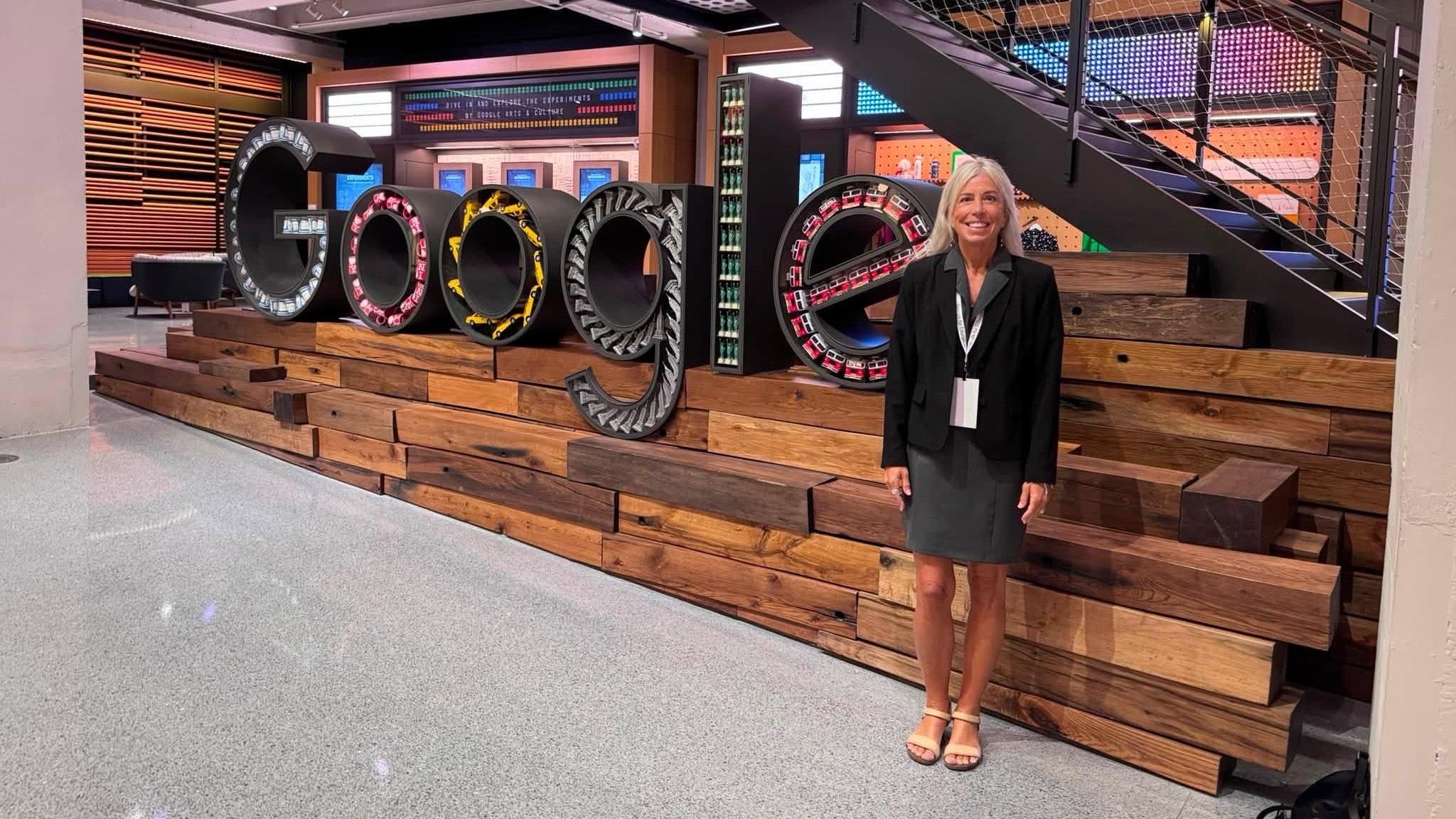
Through Peninsula School District's Google Fellowship and our Open Adaptive District project, we are building and testing AI agents designed to extend the capacity of school leaders without replacing their judgment, relationships, or care.
In practice, that has meant starting with the superintendency itself. Each morning, before 5:00 a.m., an AI agent synthesizes information that previously lived in separate systems: attendance patterns, staffing gaps, budget red flags, legislative developments, and priority communications. It surfaces this in a single brief. It doesn't make decisions. It surfaces earlier signals, so we can have earlier conversations with our team. That distinction matters enormously.
What surprised us most in the early weeks wasn't the output. It was the process. Building these agents was more intuitive than expected. The AI helped refine prompts along the way, making the whole experience feel less like a tech project and more like learning alongside a thinking partner.
We are now expanding that work. We are exploring how agents can support principals, operational teams, and central-office staff. We are documenting what we try, what works, and what we scrap because it doesn't meet the needs of students, staff, or community. That documentation is public — right here on this site.
Why does this matter for other districts?
The question we keep coming back to is this: what will the world require of the Class of 2039? The kindergartners who walked through our doors this fall will graduate into a world shaped by technologies that don't fully exist yet. Our responsibility isn't simply to prepare them for jobs. It is to ensure every student, regardless of background or circumstance, has access to literacy, mathematics, AI fluency, critical thinking, and the adaptability needed to help shape what comes next.
That goal requires school systems capable of learning at the pace the world is changing. And right now, many districts, particularly those with fewer resources and less influence, risk simply receiving whatever others design rather than having a voice in how these tools are built and governed.
That's a problem public education cannot afford to leave to others.
The Open Adaptive District model is our attempt to create a replicable, transparent protocol that any district can adopt. A small team picks one real problem, spends six weeks building a better way to handle it, and publishes everything, including what didn't work. No polished press releases. No waiting until it's perfect. Learning in public requires humility, transparency, and a willingness to acknowledge when our assumptions are wrong.
We don't have all the answers. That's the point.
We are building this while we learn. We are examining permissions and safeguards, scrutinizing each agent, and keeping human judgment and student safety at the center of every decision. We are sharing what we adopt, what we refine, and what we abandon.
Educators must have a seat at the table with researchers, technology companies, and state and federal leaders. We must be humble enough to acknowledge what we don't know, brave enough to keep learning, and resolute enough to ensure children remain at the center of every decision.
If you are a district leader, a researcher, a policymaker, or simply someone who believes public education should help shape the future rather than just receive it, we invite you to follow along, ask questions, and build alongside us.
This is our Sputnik moment. We are not going to wait it out.
Krestin Bahr is the Superintendent of Peninsula School District in Gig Harbor, Washington.